
Plenary speakers

Professor Sandra Kentish, University of Melbourne
Title: The use of membrane technology for the capture of carbon dioxide and its utilisation for microalgal culture
Sandra Kentish is a Redmond Barry Distinguished Professor at the University of Melbourne and a Fellow of the Australian Academy of Technological Sciences and Engineering. She is an Editor of the Journal of Membrane Science and was awarded the Membrane Society of Australasia Anita Hill Leadership Award in 2022. Professor Kentish is well known for her work on carbon dioxide capture using membrane technology. Her team has worked to establish the best membranes and membrane contactors for this approach and then importantly, tested these systems at pilot plant scale. She has also developed a process to simultaneously capture carbon dioxide and to provide this as a carbon source for microalgae, in collaboration with Professor Greg Martin. This work was the basis for her selection as one of Australia’s Most Innovative Engineers in 2017.

Professor Shujuan Wang, Tsinghua University
Title: Solvent Development for CO2 Chemcial Abaorption Capture
Shujuan Wang, professor in the Department of Energy and Power Engineering, Tsinghua University. She got her Ph.D in Tsinghua University in 2000. Her main research work includes CO2 capture, utilization and storage, renewable energy, clean coal technology, and Ecological Restoration. She was Director of Beijing Engineering Research Center for Ecological Restoration and Carbon Fixation of Saline-Alkali and Desert Land, member of Carbon Neutrality Council of Beijing. The related research projects undertaken by her are from the National Science and Technology Support Program, National Natural Science Foundation, and also EU FP6, FP7, H2020. She has published more than 100 papers. Her main research achievements were awarded the first prize of Science & Technology Award for Environmental Protection, and also second prize of Huaxia Construction Science & Technology Award. And she was awarded National Green Medal in 2018.
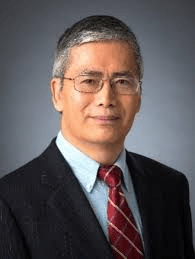
Prof. Chunshan Song, Chinese University of Hong Kong
Presentation title: High-capacity Selective Solid ‘Molecular Basket’ Sorbents for CO2 Capture and for SO2 Separation
Prof. Chunshan Song is the Dean of Science and Wei Lun Professor of Chemistry at the Chinese University of Hong Kong since July 2020. He is leading the Faculty of Science at CUHK including 6 major units (chemistry, physics, mathematics, statistics, life science, earth and environmental science) and several research institutes with ~600 faculty and staff offering 20 undergraduate programs with ~2700 BSc students and 21 postgraduate programs with ~1100 PhD, MPhil and MSc students. He is a Distinguished Professor Emeritus in Fuel Science and Chemical Engineering at the Pennsylvania State University, USA where he was the Director of EMS Energy Institute and founding Director of the University Coalition for Fossil Energy Research funded by US DOE. With BSc in Chemical Engineering from Dalian University of Technology and Ph.D. in Applied Chemistry from Osaka University, his research focuses on catalysis and chemistry of energy and fuels including CO2 capture, catalytic CO2 conversion, shape-selective catalysis and synthesis and applications of nano-porous materials. He has ~500 refereed journal articles, 8 patents, 16 edited books, 35 book chapters and has delivered over 425 invited lectures worldwide. He has received George A. Olah Award and Henry H. Storch Award from American Chemical Society (ACS), ACS Fellow, Distinguished Researcher Award from ACS Energy & Fuels Division, Outstanding Achievement from the Chinese American Chemical Society (CACS) and Distinguished Fulbright Scholar from US-UK, Herman Pines Award from Chicago Catalysis Club and Excellence in Catalysis Award from Catalysis Club of Philadelphia. Within Penn State, he has received the Faculty Scholar Medal, University Distinguished Professor, Wilson Award for Excellence in Research, Faculty Mentoring Award, and Materials Science and Engineering Service Award. He is an advisory editor for Journal of CO2 Utilization (Elsevier), Associate Editor for Frontiers of Chemical Science and Engineering (Springer) and served on the editorial board of 14 research journals in catalysis, chemistry, energy and fuels, and chemical engineering. He also held Visiting or Guest or Adjunct Professorship at Imperial College London, University of Paris VI, Tsinghua University, Tianjin University, Dalian University of Technology, Dalian Institute of Chemical Physics, and Taiyuan University of Technology.

Professor Tao Wang, Zhejiang University
Presentation title: Carbon dioxide mineralization utilization technology based on industrial solid waste
Dr. Tao Wang is the professor at the College of Energy Engineering, Zhejiang University, and the Chief Scientist of the National Key R&D Program. He is on the list of top 2% of global leading scientists by Elsevier. Prof. Wang focuses on research of advanced CO2 capture sorbent and economic CO2 mineralization technology, such as concrete curing. The technology has been applied in large energy enterprise, including China Energy Group and Zhejiang Energy Group. It was selected as the top ten scientific and technological innovations for China’s carbon peak and carbon neutrality in 2023. Prof. Wang led the preparation of China’s first industry standard for CO2 solvent management. He is also one of the leading authors of China’s CCUS Roadmap.
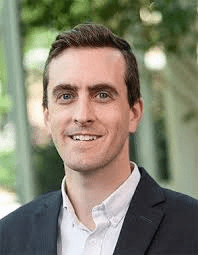
Professor Ryan Lively, Georgia Institute of Technology
Presentation title: Three Keys to Successful Direct Air Capture: Humidity, Degradation, and Contactors
Ryan Lively is the Thomas C. DeLoach Jr. Endowed Professor in the School of Chemical & Biomolecular Engineering at the Georgia Institute of Technology. His current research seeks to revolutionize fluid separation processes critical to the global energy and carbon infrastructure. He has a specific focus on membrane- and adsorbent-based science and technology aimed at addressing some of the world’s most difficult chemical separations. His group’s research activities range from fundamental material science and discovery to translational engineering applications focusing on making and testing separation devices. He has received a variety of awards for his research efforts including the 2020 Allan P. Colburn Award from AIChE, and the 2022 Curtis W. McGraw Award from ASEE. He is currently an Editor for the Journal of Membrane Science, the Secretary of the North American Membrane Society, an ACS Industrial & Engineering Chemistry Division Fellow, and a Fellow of the International Association for Carbon Capture. He is the Director of the Center for Understanding & Controlling Accelerated and Gradual Evolution of Materials for Energy (UNCAGE-ME), an Energy Frontier Research Center of the US Department of Energy. He has over 200 publications in the field of separations including articles in Science, Nature, and other impactful venues.

Professor Zhi Wang, Tianjin University
Presentation title: Development of High-Performance Mixed-Matrix Composite Membranes for CO2 Separation
Zhi Wang, Chair Professor at Tianjin University, Director of the Tianjin Key Laboratory of Membrane Science and Seawater Desalination Technology, China, and Director of the State Key Laboratory of Chemical Engineering (Tianjin University). Over the years, his research has focused on membrane science and technology to address the major demands of the country and society in areas such as water treatment, seawater desalination, CO2 capture, and gas separation and purification. He has led more than 50 research projects, including four key projects funded by the National Natural Science Foundation of China, one National Marine Public Welfare Research Project, and one National Key Research and Development Program. He has published over 300 SCI papers in high-impact journals such as Nature Materials, Advanced Materials, Angewandte Chemie International Edition, Journal of the American Chemical Society, AIChE Journal, Desalination and Journal of Membrane Science. His work has been cited over 14,000 times, and he holds 52 authorized national invention patents.

Professor Alexander Forse, University of Cambridge
Presentation title: Advancing electrochemically driven carbon dioxide capture with supercapacitors
Alexander Forse is Professor of Materials Chemistry at the University of Cambridge, and leads a group that researches new materials that help with climate change mitigation. Prof. Forse holds a UKRI Future Leaders Fellowship and an ERC starting grant, and he was recently awarded the Anatole Abragram Prize for pioneering applications of NMR spectroscopy to energy materials. Current research interests include advancing high rate electrochemical energy storage, developing new materials for carbon dioxide capture, developing electrochemically driven carbon capture technologies, and applying NMR spectroscopy methods to understand functional materials.

Prof Xi Chen, Lingnan University
Presentation title: Addressing Climate Change: Negative Emission based on AI-Driven Evolution of Advanced Materials
Xi Chen is Chair Professor and Dean of the School of Interdisciplinary Studies at Lingnan University, and Director of Shenzhen Research Institute of Lingnan University. He received his M.S. from Tsinghua University, and Ph.D. in Solid Mechanics from Harvard University, and spent 20 years as a professor in the Department of Earth and Environmental Engineering at Columbia University, before joining Lingnan in 2023. He received numerous awards including the NSF CAREER Award, the Presidential Early Career Award for Scientists and Engineers (PECASE), ASME Sia Nemat-Nasser Early Career Award, ASME Thomas J. R. Hughes Young Investigator Award, and SES Young Investigator Medal. He is a Fellow of ASME. He has published over 400 journal papers with a h-index over 78. He uses multiscale theoretical, experimental, and numerical approaches to investigate various research frontiers in engineering science addressing real-world challenges in energy, environment, nanotechnology and biology. He pioneered the scientific and technological framework of distributed carbon capture, utilization, and sequestration (distributed CCUS), and established Asia’s first direct air capture factory for carbon dioxide, and China’s first carbon negative industrial park zone. His recent work in carbon neutrality has been recognized by many top awards, including No. 1 Award in Direct Air Capture and overall Top 10 in Tencent Carbon X Grand Competition, No. 1 Award in Carbon Neutrality in 6th Zhongguancun Innovation Competition, and No. 1 Prize in Bluetech Carbon Neutrality Pioneers Award. He is a World’s Top 2% Most-cited Scientists published by Stanford University since 2019.

Dr Paul Iacomi, Surface Measurement Systems
Presentation title: Evaluating the influence of stream contaminants on the carbon capture potential of solid sorbents at the lab scale
Dr Paul IACOMI is a Research Manager and UKRI Future Leaders Fellow at Surface Measurement Systems (SMS). He holds an EU-funded MSCA PhD in material science from Aix-Marseille University, France. His career has been focused on the advanced characterisation of challenging novel porous materials, like defect-engineered or flexible metal organic frameworks (MOFs), alongside their integration for high-performance applications such as carbon capture, paraffin separation and sensors for satellites. At SMS, his team is leading the development of next generation of sorption methodologies, bringing together a wide range of expertise in sorption techniques and porous material/surface characterisation – including gravimetric and chromatographic (breakthrough) instruments. His research output comprises over 25 peer reviewed publications, 1 patent and 1 book chapter.
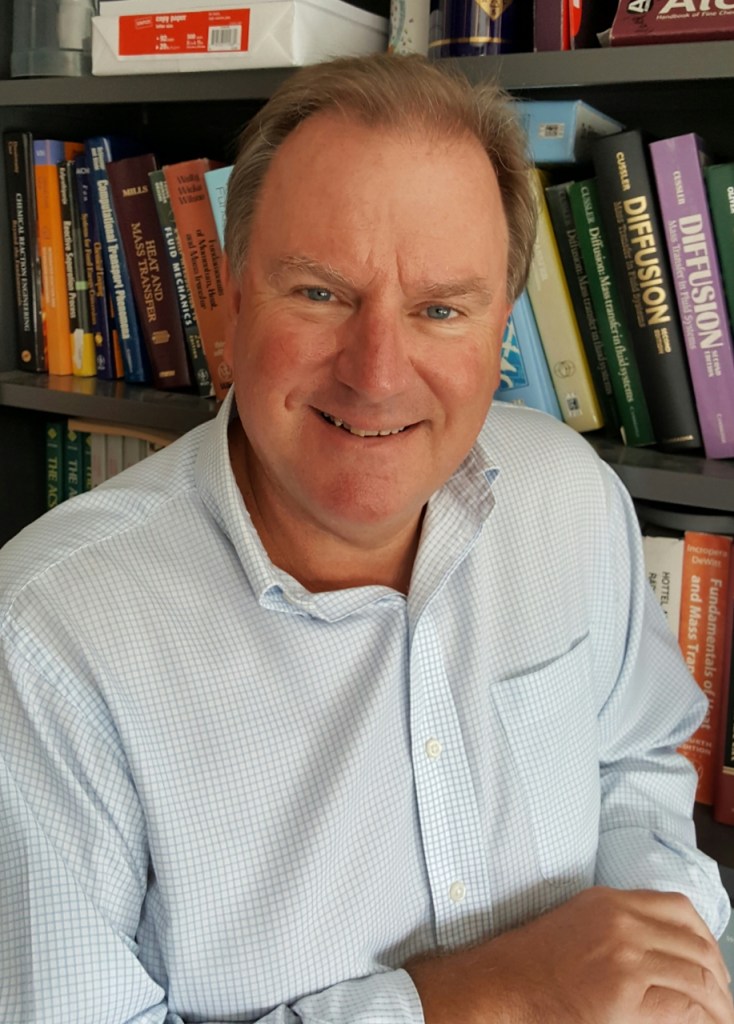
Prof James A. Ritter, University of South Carolina
Presentation title: Carbon Dioxide Capture by PSA at the DOE National Carbon Capture Center
James A. Ritter, Ph.D., is the Gibbons Teaching Professor of Chemcial Engineering, L. M. Weisiger Professor of Engineering and a Carolina Distinguished Professor in the Department of Chemical Engineering at the University of South Carolina. Professor Ritter has authored or coauthored over 171 peer-reviewed journal articles and holds 8 U. S. Patents in the areas of cyclic adsorption processes for gas separation and purification and hydrogen storage processes and materials. His current interests focus on cyclic adsorption process R&D with funding from ONR, DOE and several university centers and private companies. He has served or is serving as a consultant for more than 40 companies, government agencies and national laboratories including NASA MSFC, ExxonMobil, Shell, BP Amoco, Eastman Chemical and DOE. He has also served on the Editorial Boards of four journals: Separation Science and Technology; Adsorption, Journal of the International Adsorption Society; Recent Patents in Chemical Engineering; and Industrial and Engineering Chemistry Research. He received the AIChE Institute Award for Excellence in Industrial Gases Technology in November of 2016; and he is a co-author (M. D. LeVan, G. Carta, J. A. Ritter and K. S. Walton) of “Adsorption and Ion Exchange,” in Perry’s Chemical Engineers’ Handbook, 9th Ed., (D. W. Green and R. H. Perry, eds.), McGraw-Hill, NY (2018). He served as the Associate Editor for Adsorption, Journal of the International Adsorption Society (IAS) from January 2021 to June 2024 and he began serving as the Editor-in-Chief for Adsorption, Journal of the International Adsorption Society on July 1, 2024. Professor Ritter was named a Fellow of the ACS in July 2012, a Fellow of the AIChE in June 2013, and a Fellow of the IAS in July 2023.
Keynote speakers
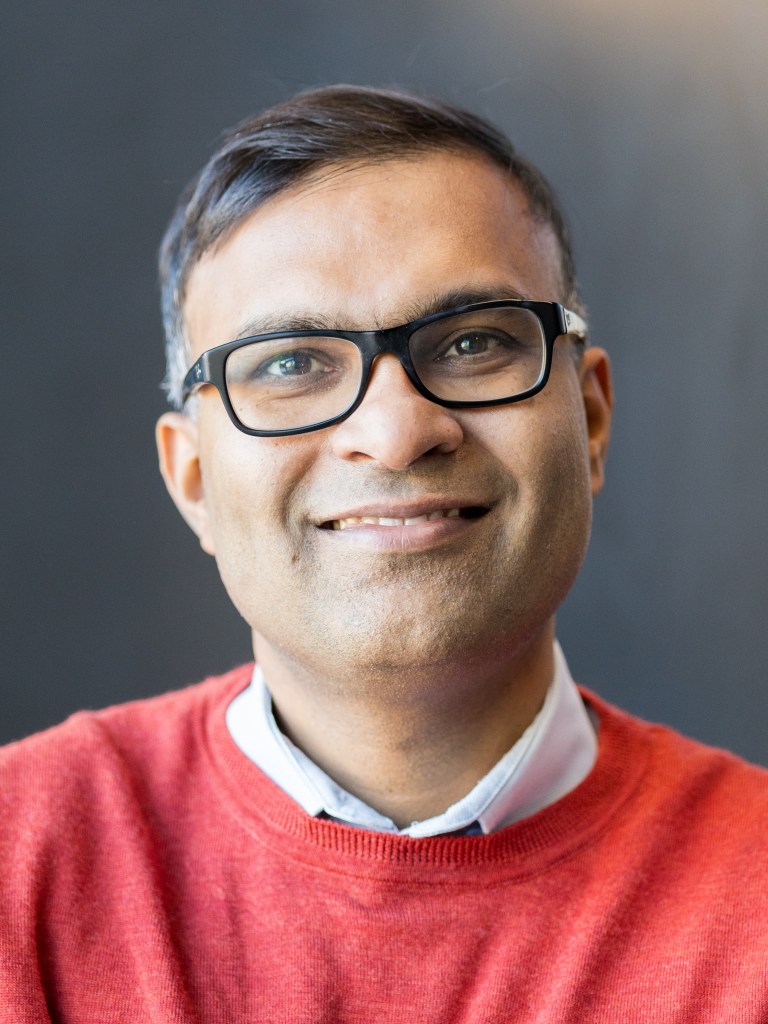
Prof. Kumar Varoon Agrawal, EPFL – Swiss Federal Technology Institute of Lausanne, Switzerland
Title: 2D materials, gas separations, CO2 separations
Kumar Varoon Agrawal is an Associate Professor and head of the Laboratory of Advanced Separations at the Institute of Chemical Sciences and Engineering at EPFL. He received his undergraduate degree in Chemical Engineering from IIT Bombay in 2005. Following this, he joined the global R&D division of Procter & Gamble in Japan, working on product design (2005-2008). He received his PhD from the University of Minnesota (2013), developing two-dimensional zeolites, one of the first 2D materials demonstrated for separations. He received his postdoctoral training on carbon materials from the Strano group at MIT. His research group at EPFL is developing scalable synthetic routes for two-dimensional membranes with an emphasis on energy-efficient carbon capture. He is the recipient of the AIChE Separation Division FRI/John G. Kunesh Award, NAMS Young Membrane Scientist Award, ERC Starting Grant, etc. He is an editorial board member of the Journal of Membrane Science, and Separation & Purification Technology. He is also a co-founder of a membrane startup, Divea, which focuses on bringing porous graphene membranes to the market for carbon capture.
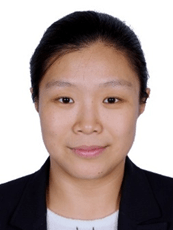
Prof. Yangyang Guo, Institute of Process Engineering,Chinese Academy of Science
Title: VPSA application of carbon capture from Blast Furnace Gas
Yangyang Guo, she is an associate researcher in the Institute of Process Engineering, Chinese Academy of Sciences (IPE, CAS). She received her Ph.D. degree from the Institute of Process Engineering, CAS in 2014. Her main research interests are the control of industrial flue gas pollutants and the development and application of low-carbon technologies. She has led more than 10 projects including the National Natural Science Foundation of China (NSFC), National Key Research and Development Programmes, and local enterprise projects et.al; She has published 39 SCI papers in journals such as Angew, EST. and others; been granted 15 invention patents, including 2 international patents; She has selected as ‘Youth Innovation Promotion Society’ of Chinese Academy of Sciences in 2021, and selected as Beijing Science and Technology Rising Star Programme in 2024.

Prof. Ken-ichi Otake, The Institute for Integrated Cell-Material Sciences (iCeMS), Kyoto University
Title: Harnessing the Structural Flexibility of Metal-Organic Frameworks for Efficient Gas separation
Dr. Ken-ichi Otake completed his Ph.D. in 2016 at Graduate school of Science, Kyoto university, specializing in Chemistry under the guidance of Prof. Hiroshi Kitagawa. Following this, he spent two years as a postdoctoral researcher at Northwestern University, working under the supervision of Prof. Joseph T. Hupp and Prof. Omar K. Farha. In 2018, he became an assistant professor in Prof. Susumu Kitagawa’s group at the Institute for Integrated Cell-Material Sciences at Kyoto University. In 2024, he was promoted to associate professor at the same institute. His research interests include coordination chemistry, solid-state chemistry, and CO2 capture and utilization (CCU). He received the Young Scientist Award from the SPring-8 users community and the Research Encouragement Award from the Japanese Society of Coordination Chemistry in 2023, and the CSJ Award for Young Chemists from the Chemical Society of Japan in 2025.
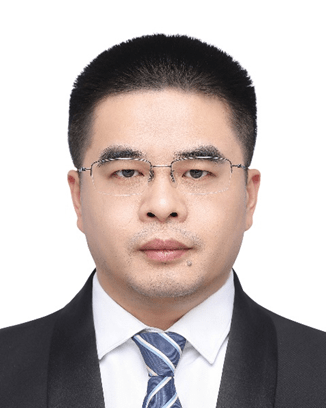
Prof. Shijian Lu, China University of Mining and Technology
Title: Research progress on low-energy consumption of flue gas CO2 capture and utilization technology
Shijian Lu, PhD, professor and doctoral supervisor of China University of Mining and Technology, engaged in research on carbon capture and utilization. Vice President of Carbon Neutral Research Institute of China University of Mining and Technology (CUMT),Executive Deputy Director of the National Circular Economy Laboratory for Carbon Dioxide Capture, Utilization and Storage, and member of the CCUS Standardization,Working Group of the China Carbon Emission Management Standards Committee. He has led more than 20 scientific research projects, won 12 scientific and technological awards, and won the championship of the XPRIZE Carbon Removal Competition in China. He is responsible for the feasibility study and process package design of more than 10 key scientific research demonstration projects, including the 2 million tons/year CO2 capture and oil displacement storage project of Shengli Power Plant and the 150000 tons/year CO2 capture and storage project of Jinjie Power Plant of China Energy Investment Group.
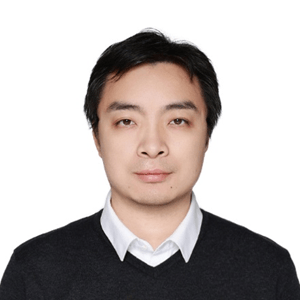
Professor Nannan Sun, Shanghai Advanced Research Institute
Dr. Nannan Sun received his PhD in physical chemistry from the Institute of Coal Chemistry, Chinese Academy of Sciences (CAS), he worked at the University of Nottingham as a post-doc in collaboration with Prof. Chenggong Sun, Hao Liu, and Colin Snape. From 2014, he joined Shanghai Advanced Research Institute (SARI), CAS, and currently he is the vice-director of State Key Lab for Low Carbon Catalysis and CO2 Utilization, director of Photon Science Research Center for Carbon Dioxide of SARI. His research focuses on strategic and technologic study of CO2 capture and utilization (CCU), including evaluation methodologies of CCU technologies, adsorption-based CO2 capture, integrated CO2 capture and conversion, etc. He has published more than 50 papers in peer-reviewed journals, such as Joule, Energy Environ. Sci., Appl. Catal. B, etc.
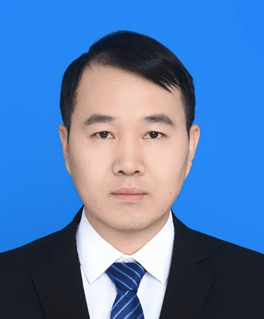
Prof. Haibo Zhao, Huazhong University of Science and Technology
Presentation title: Chemical looping combustion: particle reaction and synthesis
Professor Haibo Zhao received the Ph.D. degree in Thermal Engineering from Huazhong University of Science and Technology in 2007. He is currently the Vice Director of State Key Laboratory of Coal Combustion at Huazhong University of Science and Technology. His research area is chemical looping combustion, as well as combustion synthesis of functional nanoparticles. He has won the National Excellent Youth Fund, Alexander von Humboldt Foundation Fellowship and the Fellow of The Combustion Institute. His research work has won the Outstanding Paper Award of the International Combustion Institute, the Best Paper Award of the International Chemical Looping Conference.

Prof Minshu Du, Northwestern Polytechnical University
Presentation title: Design of CO2 electroreduction catalysts based on the reactive thermodynamics and kinetics
Minshu Du, Associate Professor at the School of Materials Science and Engineering, Northwestern Polytechnical University, China. She went to the Chemistry Department of the University of Texas at Austin as a visiting scholar during 2013–2015, and received her Ph.D. in Materials Science and Engineering at China University of Petroleum at Beijing in 2016. Over the years, her research has focused on electrocatalysts design based on the thermo-kinetic synergy, single-entity electrochemistry and its application. She is currently the member of youth editorial board of Journal of Electrochemistry, Acta Metallurgica Sinica and ChemPhysMater. She has published over 50 SCI papers in high-impact journals such as Science, Advanced Materials, Journal of the American Chemical Society, Advanced Functional Materials, ACS Catalysis. She presided over 10 projects including the National Natural Science Foundation of China, Shaanxi Provincial Natural Science Foundation and Chongqing Municipal Natural Science Foundation; also participated in the National Key Research and Development Program, Key Programs of the National Natural Science Foundation of China.
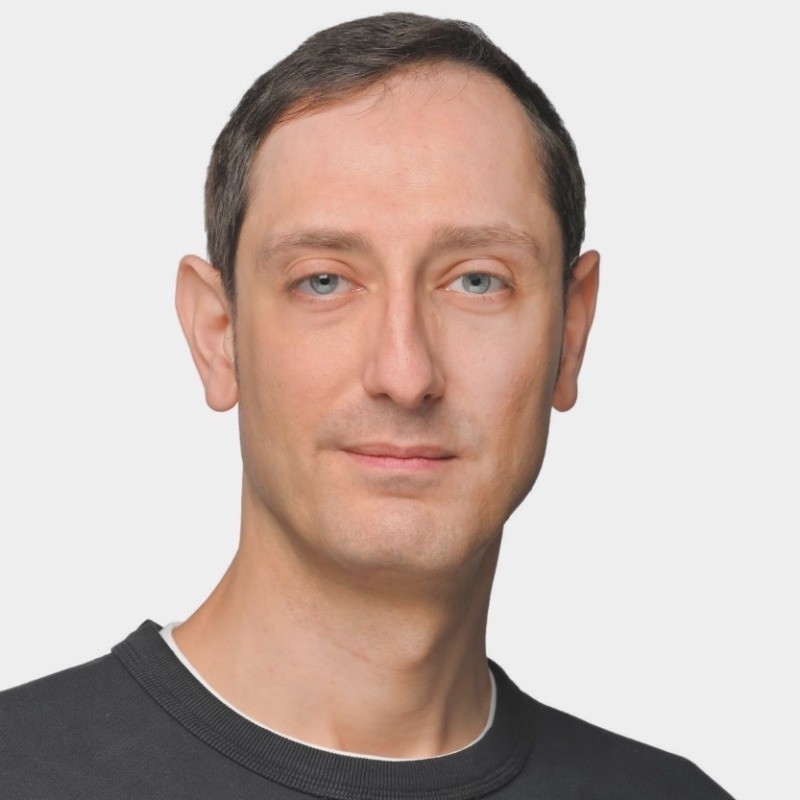
Salman Masoudi Soltani, Brunel University of London
Dr Salman Masoudi Soltani is a Reader (Associate Professor) in Chemical Engineering at Brunel University of London. He joined the university in May 2017 as a founding member of the newly established Chemical Engineering Department, contributing to the design and development of its academic programs. A Chartered Engineer (CEng, MIChemE), Dr Masoudi Soltani has a strong background in both industrial and academic research within chemical and process engineering. In his current role, he serves as the Director of Research for the Department of Chemical Engineering. Dr Masoudi Soltani’s primary research focuses on Separation Processes, particularly in adsorption technologies, covering both experimental and process design & modelling aspects. He has led several major research projects on carbon capture and blue hydrogen production, funded by the UK’s Engineering and Physical Sciences Research Council (EPSRC), the UK Carbon Capture and Storage Research Centre (UKCCSRC), and the UK’s Department for Energy Security & Net Zero (DESNZ). Before joining Brunel University of London, he worked as a postdoctoral research associate in the Clean Fossil & Bioenergy Research Group at Imperial College London, UK, the University of Nottingham, UK, and as a project engineer with A-Gas International ltd. (UK).

Prof. Ziqian Xue, Sun Yat-sen University
Presentation title: Metal-Organic Frameworks-Based Electrocatalysts with Structural Heterogeneity for Green Hydrogen Energy
Ziqian Xue obtained his doctoral degree from Sun Yat-sen University in 2020. Subsequently, he was awarded the JSPS Fellowship and joined the research group of Professor Susumu Kitagawa at Kyoto University. In 2024, he joined the School of Advanced Energy at Sun Yat-sen University as an associate professor. His research focuses on the design of structurally heterogeneous semiconductor materials with structural heterogeneity for electrocatalytic processes related to hydrogen energy.

Dr James McGregor, University of Manchester
Dr. James McGregor is a Senior Lecturer in Chemical Engineering at the University of Sheffield, UK and holds a PhD in chemical engineering from the University of Cambridge and a Master’s degree from the University of Edinburgh. His research deals with sustainable catalytic science and engineering, with a particular focus on the application of waste or low-value co-products as feedstocks for the production of value-added chemicals and fuels. Current areas of research focus include CO2 utilisation and biomass conversion, both in gas-solid and three-phase systems. He is Currently chair of the IChemE Catalysis and Reaction Engineering Special Interest Group, and is a chartered engineer, Member of the Institution of Chemical Engineers (MIChemE) and member of the Royal Society of Chemistry (MRSC). He is also an Associate Editor for Green and Sustainable Chemistry at Frontiers in Chemistry. Industrial collaborators have included Johnson Matthey, Unilever, Croda and Nouryon, with the latter naming him as an ImagineChemistry award winner in 2019.

Dr Michael Short, University of Surrey
Dr Michael Short is Associate Professor (Reader) in Process Systems Engineering at the University of Surrey in the School of Chemistry and Chemical Engineering and Sustainability Fellow in the Surrey Institute for Sustainability. He obtained a PhD from the University of Cape Town in 2017 and was a Research Fellow at Carnegie Mellon University until his appointment at Surrey in 2019. His research expertise is in the development mathematical optimisation tools to create software for process systems for automated optimal sustainable, process design, renewable energy systems, policymaking, process integration, data analysis, and process control. His work has been funded by EPSRC, BBSRC, Innovate UK, FCDO, British Council, CAPES (Brazil), NRF (South Africa), and industry. Dr Short is currently Principal Investigator for the £1.4 million EPSRC-funded project ‘Artificial Intelligence Enabling Future Optimal Flexible Biogas Production for Net-Zero’ (EP/Y005600/1) under the scheme Artificial Intelligence Enabling the UK’s Net-Zero Targets. Dr Short is also Co-I and digitalisation lead in the £5 million Supergen Bioenergy Impact Hub. He is an Editorial Board Member for the Journal of Water Process Engineering and Journal of Process Integration and Optimization for Sustainability.

Prof. Bing Wu, University of Iceland, Iceland
Presentation title: Hybrid direct air capture with pressure-retarded osmosis for energy-neutral decarbonation: effect on osmosis membrane performance
Bing Wu is currently a professor in the Faculty of Civil and Environmental Engineering, University of Iceland. Before joining University of Iceland, she was a senior research fellow from Singapore Membrane Technology Centre, Nanyang Technological University, Singapore. Her research focuses on innovative water and wastewater treatment, resource recovery, and renewable energy via advanced membrane technology and environmental biotechnology. Her research activities include process design and testing, techno-economic analysis, and life cycle assessment, towards solving the challenges in “Water-Food-Energy” nexus and strengthening climate resilience. She has completed more than 20 research and industrial projects at lab-scale or pilot-scale, and published ~90 peer-reviewed journal papers. Her team received “the President of Iceland’s Innovation Award” and “University of Iceland Technology and Progress Award”. She is an editorial board member of Journal of Water Process Engineering.
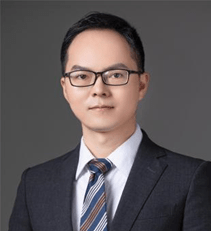
Dr. Zhongbo Zhou, Southwest University, China
Presentation title: AnMBR-algal synergy: Carbon capture and resource recovery from wastewater
Dr. Zhou is a Professor in the Department of Environmental Science and Technology at Southwest University, Chongqing, China. He obtained his Ph.D. from Sun Yat-sen University (Guangzhou) in 2014, during which he served as a visiting scholar at Delft University of Technology (TU Delft) from 2013 to 2014. His academic trajectory includes postdoctoral research at Nanyang Environment & Water Research Institute (NEWRI), Nanyang Technological University (2015–2016), followed by an appointment as Research Associate Professor at Sun Yat-sen University (2016–2019). Specializing in sustainable wastewater treatment technologies, Dr. Zhou’s research focuses on the design and optimization of anaerobic membrane bioreactors and algal-bacterial symbiotic systems. His scholarly contributions include over 50 peer-reviewed publications in leading journals such as Environmental Science & Technology, Water Research, Chemical Engineering Journal, Journal of Membrane Science, and AIChE Journal, garnering an h-index of 25 with approximately 3,000 citations (Google Scholar). Dr. Zhou actively engages in professional service as: Member of the International Water Association (IWA); Young Editorial Board Member of Environmental Science and Ecotechnology; Deputy Director, Water Environment Engineering Committee, Chongqing Environmental Science Society; Committee Member, Young Professionals Committee, China Urban Water Supply and Drainage Association.

Dr. Chencheng Le, Nanyang Technological University, Singapore
Presentation title: Environmental analytical science for carbon analysis
Le Chencheng is a lecturer at the Asian School of the Environment (ASE) and currently serves as the Assistant Chair (Student Life). He specializes in the interdisciplinary collaborative core course Sustainability – Society, Economy and Environment, a university-wide module that engages over 6,000 students each academic year. Prior to ASE, he was a research fellow at the Nanyang Environment & Water Research Institute (NEWRI), Nanyang Technological University (NTU), contributing to Singapore’s national water and environmental initiatives. He holds a Ph.D. in environmental engineering from NTU, where he graduated as valedictorian, and a Bachelor of Science (Honours) degree in chemistry from the National University of Singapore.
Chencheng’s principal research interest is in the chemistry domain, focusing on environmental analytical science. His fundamental research works have included elucidating the molecular mechanisms of biodegradation, metabolization and biotransformation in diverse biotic and abiotic matrices. His applied work ranges from sustainable large-scale centralized wastewater treatment systems to industrial-scale decentralized resource recovery operations in line with the circular economy principles. He also explores interdisciplinary collaborative learning pedagogy, integrating diverse academic perspectives to enhance education in sustainability.
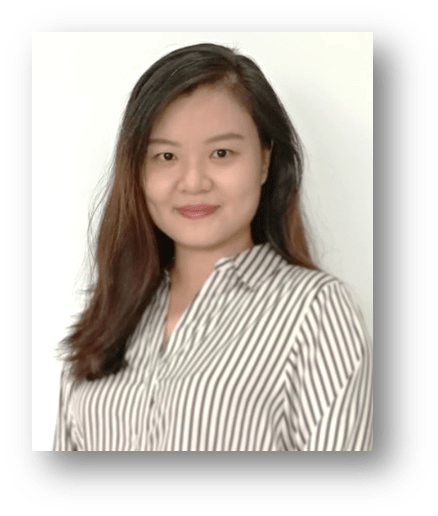
Dr. Guo Jiayi (Jessie), Agency for Science, Technology and Research (A*STAR), Singapore
Presentation title: Brush Polymer Functionalized Biomass Textile and Its Potential Capacity for Direct Air Capture of CO2
Dr. Guo Jiayi graduated with PhD in Chemistry from Nanyang Technological University, Singapore, and now works as a senior scientist at Agency for Science, Technology and Research (A*STAR) Singapore. Dr. Guo’s research interests is design and synthesis of functional polymers for applications in biomedical and environmental fields, such as soft matters for tissue repair, CO2 absorbent and energy storage. Dr Guo published more than 20 papers in international peer reviewed journals and technical inventions. She has rich experience in research projects leading and partnership with world-renowned companies such as Siemens, Coca-Cola, and Mitsui Chemicals. One of medical products developed by her as the lead scientist is ongoing the clinical trial in Singapore General Hospital for the commercialization in the coming future soon. Recently Dr Guo is developing functionalized biomass-based textile for CO2 capture as the circular resource in textile industry.

Dr. Euntae Yang, Gyeongsang National University
Presentation title: Development of 2D Nanomaterial-Based Mixed Matrix Membranes for Carbon Capture
Dr. Euntae Yang is an Associate Professor in the Department of Marine Environmental Engineering at the College of Marine Science, Gyeongsang National University. He received his B.S. in Environmental Engineering from Inha University and completed his M.S. and Ph.D. in Environmental Engineering at the Gwangju Institute of Science and Technology (GIST). He also served as a research fellow at the Singapore Membrane Technology Centre. His primary research interests include membrane technology, bioelectrochemical systems, water treatment, and the development of novel gas separation membranes, including those for carbon capture. Dr. Yang has conducted a number of national and regional research projects in areas such as water treatment membrane development, green hydrogen production, and carbon neutrality. He has published extensively in domestic and international journals and holds patents related to advanced membrane materials and electrochemical technologies.
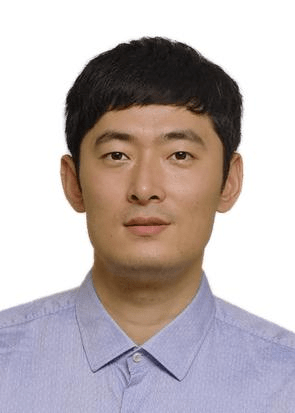
Prof. Sicong Tian, China Agricultural University
Presentation title: Oxygen vacancy-enhanced thermochemical reforming reactions for CO2 conversion
Dr. Sicong Tian is a professor at College of Engineering, China Agricultural University. He got his Ph.D. in the discipline of Environmental Science and Engineering at Tsinghua University in 2016. He worked as a postdoctoral research fellow at Macquarie University and The University of Queensland in Australia from 2017 to 2021. Dr Tian’s research interests include thermochemical reforming of biomass for H2 production, CO2 capture and in-situ utilization in bioenergy conversion, and photo-thermo catalytic conversion of multi-source biowaste. So far, Dr Tian has published 50+ articles in the internationally renowned academic journals such as Nature Communications, Science Advances, and Energy & Environmental Science, and was awarded the Year 2017 Prize in Chemistry by THE DIMITRIS N. CHORAFAS FOUNDATION.
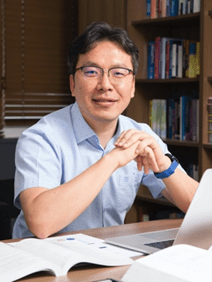
Dr. Tae-Hyun Bae, KAIST, South Korea
Presentation title: Engineered Porous Polymers for Advanced CO2 Separation
Dr. Tae-Hyun Bae is an Associate Professor at the KAIST CBE Department (joined in May 2019). Tae-Hyun Bae received his Ph.D. in Chemical Engineering at Georgia Institute of Technology in 2010. Following a postdoctoral experience at the University of California, Berkeley, he had worked at Nanyang Technological University, Singapore, from 2013 to 2019 as an Assistant Professor of Chemical Engineering. While he was staying in NTU, he also served as the cluster leader at the Singapore Membrane Technology Centre as well as the assistant chair of research at School of Chemical and Biomedical Engineering. Dr. Bae has extensive research experience in nanoporous materials and membrane technology used in various chemical and environmental engineering processes. He is now serving as an editor of Journal of Membrane Science and has published about 130 research papers that have been cited more than 18000 times (Google Scholar).
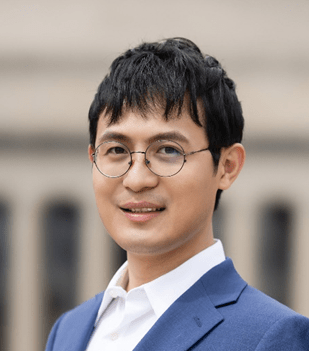
Dr Xiangkun Cao, MIT
Presentation title: From centralization to distributed systems
Dr. Xiangkun (Elvis) Cao is currently a Carbon Dioxide Removal Specialist at DNV, recently being named one of MIT Technology Review’s 35 Innovators Under 35 (MIT TR35 – Global) for his impact in Climate and Sustainability. He is also a Senior Schmidt Science Fellow (SSF), a lifelong fellowship by Schmidt Sciences in partnership with the Rhodes Trust. During his SSF placement, Elvis pursued his research vision of integrated carbon capture and utilization at MIT. He received his Ph.D. from Cornell University in 2021, focusing on optofluidics-enabled CO2 conversion. Dr. Cao secured grant funding as the PI/Co-PI from the Commission for Environmental Cooperation and the Carbontech Development Initiative by NYSERDA, among others. Dr. Cao has been named an Activate Fellow, an MIT Climate & Sustainability Consortium Impact Fellow, a Carbon Removal Justice Fellow, and a German Chancellor Fellow by the Humboldt Foundation. Cao has received Forbes 30 Under 30 in Energy for North America, CAS Future Leader in Chemistry, World Energy Council’s Future Energy Leader, Lindau Nobel Laureate Meetings Young Scientist, ME Rising Stars in by UC Berkeley, and MSE Rising Stars by CMU, Stanford, and MIT.
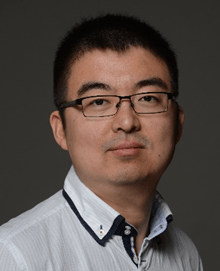
Dr Xi Yu, University of Southampton
Presentation title: Computational fluid dynamics modelling of a chemical looping system for CO2 utilisation
Dr. Xi Yu is a Lecturer in Chemical Engineering at the University of Southampton and a Principal Investigator in the Digital and Data-Driven Methods group. He earned his Bachelor’s degree in Chemical Engineering from Tianjin University and his Ph.D. from the University of Sheffield. His expertise spans low-carbon fuels, granulation and tableting, computational fluid dynamics, and chemical looping. With over 30 journal publications, he has played a leading role in projects funded by the Royal Society, AstraZeneca, Leverhulme Trust, EPSRC and EU Horizon 2020. He has also supervised four Ph.D. students and ten MSc students.

Professor Guoping Hu, Ganjiang Innovation Academy, Chinese Academy of Sciences
Presentation title: Strongly polarized small-pore zeolites for the capture of CO2 from dilute sources
Prof Guoping Hu, Ganjiang Innovation Academy, Chinese Academy of Sciences. Dr. Hu obtained his PhD from the University of Melbourne in Australiain 2018, thereafter did postdoc research at the University of Melbourne and the University of Western Australia. He recently moved to the Ganjiang Innovation Academy at the Chinese Academy of Sciences as a professor. His research focuses on chemical separation technologies such as pressure swing adsorption for CO2 and CH4 capture. He holds more than 10 patents and has published over 60 papers and conference proceedings, including articles in Nature, Nature Commun. He has also delivered over 30 talks at international conferences and serves as a member at the International Adsorption Society Education Committee.
Dr Hyungwoong Ahn, University of Edinburgh
Presentation title: Industrial decarbonisation through PSA-SPUR technology: the innovative adsorption process for CO2 capture
Dr Hyungwoong Ahn is a Senior Lecturer in Chemical Engineering at the University of Edinburgh in the UK and also an Adjunct Professor of Chemical Engineering at Yonsei University in Korea. He specialises in adsorption process engineering, focusing on the separation of various gas mixtures, including air drying, CO2 capture and H2 purification. His research revolves primarily around the development and optimisation of innovative adsorption processes, such as Pressure Swing Adsorption (PSA) and Temperature Swing Adsorption (TSA), through Equilibrium Theory analysis, numerical simulation and experimental demonstrations. Dr Ahn has also made significant contributions to advancing various CO2 capture technologies, including fluidised bed systems utilising calcium oxides and absorption processes with physical/chemical solvents as well as PSA/TSA technologies. He has led numerous research and consultancy projects in this area of research, supported by funding from various organisations such as the UK’s EPSRC and Department for Business, Energy & Industrial Strategy (BEIS), Korean Energy Technology Evaluation and Planning (KETEP), the Scottish Funding Council (SFC), and others.
He has been recognised as a Brain Pool fellow by the Korean Federation of Science and Technology (KOFST), and served as a technical assessor for the IEA Greenhouse Gas R&D Programme (IEAGHG) and National Grid. Dr Ahn’s works have garnered several accolades for his university, including being a finalist for the Energy Award at the IChemE Global Awards and winning the Honeywell UniSim Design Challenge competition. One of his notable inventions is the cutting-edge PSA-SPUR technology for gas separation, which is designed to separate the most strongly adsorbing component from a gas mixture with very high product purity and recovery. Leveraging the patented technology, Dr Ahn is collaborating with a UK SME on various projects funded by the UK funding agencies, such as Connected Places Catapult and Ofgem. These projects are aimed at developing and demonstrating the PSA-SPUR technology at the company’s site, highlighting its applicability in real-world settings. Simultaneously, Dr Ahn is working with a global shipbuilding company on industry-funded projects that aim to commercialise the PSA-SPUR technology for CO2 capture on ships by 2026, showcasing the versatility of the adsorption process for industrial decarbonisation across different sectors.

Dr Inês Graça, University of Aberdeen
Presentation title: Innovative pathways for CO2 conversion into fuels and chemicals: Enabling CO2 transfer hydrogenation over zeolite catalysts
Dr Inês Graça is a Lecturer in Chemical Engineering in the School of Engineering, at the University of Aberdeen. She holds an MEng in Chemical Engineering from Instituto Superior Técnico (Portugal) and a PhD in Chemical Engineering from Instituto Superior Técnico (Portugal) and the University of Poitiers (France). Since 2007, she has been working in the field of Catalysis and Reaction Engineering. Her research work focuses on the design and optimisation of multi-functional, nanostructured, heterogeneous catalysts, in particular metal-promoted zeolites and hierarchical zeolites, their characterisation by different analytical techniques and development of sustainable processes for waste conversion. Her primary areas of expertise include carbon dioxide capture and utilisation, and biomass and plastic waste catalytic valorisation into value-added products. She worked for many years on the development of zeolite catalysts for the classical carbon dioxide hydrogenation to methane, but more recently she is focused on the transfer hydrogenation of carbon dioxide using renewable liquid organic hydrogen donors, as an emergent way to use carbon dioxide as a C1 building block. Inês is an early-career board member of the Carbon Capture Science & Technology journal. She has participated in various European, UK and industrial projects in these areas, and currently has a h-index of 30.
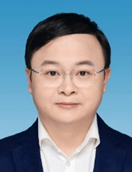
Professor Qiwei Yang, Zhejiang University
Presentation title: Construction of Ultramicroporous Crystalline Materials for CO₂ Separation
Qiwei Yang is a Researcher and PhD supervisor in the College of Chemical & Biological Engineering, Zhejiang University. He received his B.S. and Ph.D. degrees from Zhejiang University, and was ever a visiting scholar at MIT. He was selected as a Young Scholar of the “Changjiang Scholars Award Program” of the Ministry of Education, and is the Secretary-General of the Molecular Recognition Separation Committee of the Chemical Industry and Engineering Society of China. His researches mainly focus on chemical separation engineering and thermal plasma technology. He was awarded the Second Prize of National Technology Invention and the Hou Debang Chemical Science and Technology Youth Award.

Prof Mijndert va der spek, Heriot Watt University
Presentation title: Going net-zero with CCS and CDR
Mijndert trained as an energy systems engineer and policy analyst at Delft University of Technology where he completed his MSc in 2009. After that, he joined Royal Dutch Shell in the Netherlands, working first in the supply chain optimization team of Shell Chemicals Europe and after as process technologist at the polyols plant of Shell Pernis Refinery. He pursued his PhD studies at the Copernicus Institute of Sustainable Development, where his research focused on techno-economic and environmental analysis of CCS and CCU technologies. Subsequently, he worked as postdoctoral researcher at the Separation Processes Laboratory of ETH Zürich, on CCS process design as well as CCUS system analysis. Mijndert’s research focuses on developing the methods and tools to assess climate change mitigation technologies, in particular CO2 capture and direct air capture. Besides his work on process and system modelling, techno-economic, and life cycle analysis, Mijndert’s team focuses on understanding and describing the mechanisms for water-CO2 co-adsorption onto solid adsorbents, given the criticality of humidity in CO2 capture. They combine advanced measurement methods with deriving representative equations and feed these into process models to understand the effect of humidity on adsorption cycle performance.
 CCST2025